Buy orbiter.eu ?
We are moving the project
orbiter.eu .
Are you interested in purchasing the domain
orbiter.eu ?
domain@kv-gmbh.de · 0541-91531010
Buy orbiter.eu ?
How do I connect a satellite cable to a satellite socket?
To connect a satellite cable to a satellite socket, first, locate the satellite socket on the wall. Next, take the satellite cable and align the metal prongs on the end of the cable with the corresponding holes in the socket. Gently push the cable into the socket until it is securely connected. Finally, tighten any screws or clips on the socket to ensure a stable connection. **
How do I not connect the satellite receiver?
To not connect the satellite receiver, you can simply unplug the cables connecting it to the television and power source. If you want to completely disconnect it from your entertainment system, you can also remove any HDMI or other input/output cables connected to it. Additionally, you can turn off and unplug the satellite receiver to ensure it is not receiving any signals. **


Similar search terms for Connect
Top-Angebote
Products related to Connect:
-
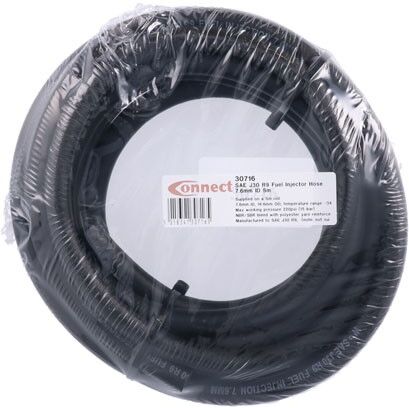
Connect 30716 Fuel HoseInner Diameter [mm]: 7,6; Outer Diameter [mm]: 14,6; Hose Length [m]: 5; Operating pressure to [bar]: 15; Fuel Type: Ethanol Blended Petrol (E10), Petrol; Material: NBR (Nitrile Butadiene Rubber)/ACM (Polyacrylic Rubber); Supplementary Article / Supplementary Info: with reinforcement; Temperature range from [°C]: -34; Temperature range to [°C]: +135; Certificate: SAE J30 R929,49 £*Shipping: 0,00 £Secure redirect to the provider
-
How does SpaceX calculate the landing of their spacecraft in astronomy?
SpaceX calculates the landing of their spacecraft using a combination of advanced computer algorithms, sensor data, and real-time adjustments. They use a system of cameras, radar, and GPS to track the position and orientation of the spacecraft as it descends back to Earth. This data is then fed into the spacecraft's guidance system, which makes continuous adjustments to ensure a precise landing. Additionally, SpaceX's engineers constantly monitor the spacecraft's trajectory and make any necessary course corrections to ensure a safe and accurate landing. **
-
How do I connect a television to a satellite?
To connect a television to a satellite, you will need a satellite dish installed outside your home and a satellite receiver box. First, connect the satellite dish to the satellite receiver using a coaxial cable. Then, connect the satellite receiver to your television using an HDMI or AV cable. Finally, follow the instructions provided by your satellite service provider to activate and set up your satellite service on your television. **
-
Can you connect any LNB to any satellite dish?
No, you cannot connect any LNB to any satellite dish. The LNB (Low Noise Block downconverter) must be compatible with the frequency and polarization of the satellite signal that the dish is designed to receive. Different satellites transmit signals at different frequencies and polarizations, so the LNB must be matched to the specific satellite dish in order to receive the signal properly. Using an incompatible LNB with a satellite dish will result in poor or no signal reception. **
-
What do I need to connect a satellite dish?
To connect a satellite dish, you will need a few key components. First, you will need the satellite dish itself, which includes the dish, LNB (low noise block downconverter), and mounting hardware. You will also need a satellite receiver, which is the device that decodes the signals from the satellite and sends them to your TV. Additionally, you will need coaxial cable to connect the satellite dish to the receiver, as well as a clear line of sight to the satellite in the sky. Finally, you may need a compass or satellite finder tool to help you accurately aim the dish towards the satellite. **

How does a satellite reach its intended orbit?
A satellite reaches its intended orbit by being launched into space on a rocket. The rocket carries the satellite to a specific altitude and velocity needed to achieve orbit. Once in space, the satellite's onboard propulsion system is used to fine-tune its trajectory and adjust its speed to reach the desired orbit. The satellite must follow a precise path to ensure it stays in orbit around the Earth. **
How often does a satellite orbit the Earth?
The frequency at which a satellite orbits the Earth depends on its altitude and purpose. Most satellites in low Earth orbit (LEO) complete an orbit roughly every 90 minutes, traveling at speeds of around 28,000 kilometers per hour. Satellites in higher orbits, such as geostationary orbit, take longer to complete an orbit, typically around 24 hours. Overall, satellites orbit the Earth continuously, providing various services such as communication, weather monitoring, and navigation. **
Top-Angebote
Products related to Connect:
-
Jura Smart ConnectThe Jura smart connect allows you to connect to your Jura coffee machine via bluetooth. The smart connect device plugs into any compatible coffee that has the smart connect feature. The smart connect uses an app on your smartphone to take control of your coffee machine and accessories.e56,95 £*Shipping: 0,00 £Secure redirect to the provider
-
Connect 30716 Fuel HoseInner Diameter [mm]: 7,6; Outer Diameter [mm]: 14,6; Hose Length [m]: 5; Operating pressure to [bar]: 15; Fuel Type: Ethanol Blended Petrol (E10), Petrol; Material: NBR (Nitrile Butadiene Rubber)/ACM (Polyacrylic Rubber); Supplementary Article / Supplementary Info: with reinforcement; Temperature range from [°C]: -34; Temperature range to [°C]: +135; Certificate: SAE J30 R929,49 £*Shipping: 0,00 £Secure redirect to the provider
-
How do I connect a satellite cable to a satellite socket?
To connect a satellite cable to a satellite socket, first, locate the satellite socket on the wall. Next, take the satellite cable and align the metal prongs on the end of the cable with the corresponding holes in the socket. Gently push the cable into the socket until it is securely connected. Finally, tighten any screws or clips on the socket to ensure a stable connection. **
-
How do I not connect the satellite receiver?
To not connect the satellite receiver, you can simply unplug the cables connecting it to the television and power source. If you want to completely disconnect it from your entertainment system, you can also remove any HDMI or other input/output cables connected to it. Additionally, you can turn off and unplug the satellite receiver to ensure it is not receiving any signals. **
-
How does SpaceX calculate the landing of their spacecraft in astronomy?
SpaceX calculates the landing of their spacecraft using a combination of advanced computer algorithms, sensor data, and real-time adjustments. They use a system of cameras, radar, and GPS to track the position and orientation of the spacecraft as it descends back to Earth. This data is then fed into the spacecraft's guidance system, which makes continuous adjustments to ensure a precise landing. Additionally, SpaceX's engineers constantly monitor the spacecraft's trajectory and make any necessary course corrections to ensure a safe and accurate landing. **
-
How do I connect a television to a satellite?
To connect a television to a satellite, you will need a satellite dish installed outside your home and a satellite receiver box. First, connect the satellite dish to the satellite receiver using a coaxial cable. Then, connect the satellite receiver to your television using an HDMI or AV cable. Finally, follow the instructions provided by your satellite service provider to activate and set up your satellite service on your television. **
Similar search terms for Connect
-
Can you connect any LNB to any satellite dish?
No, you cannot connect any LNB to any satellite dish. The LNB (Low Noise Block downconverter) must be compatible with the frequency and polarization of the satellite signal that the dish is designed to receive. Different satellites transmit signals at different frequencies and polarizations, so the LNB must be matched to the specific satellite dish in order to receive the signal properly. Using an incompatible LNB with a satellite dish will result in poor or no signal reception. **
-
What do I need to connect a satellite dish?
To connect a satellite dish, you will need a few key components. First, you will need the satellite dish itself, which includes the dish, LNB (low noise block downconverter), and mounting hardware. You will also need a satellite receiver, which is the device that decodes the signals from the satellite and sends them to your TV. Additionally, you will need coaxial cable to connect the satellite dish to the receiver, as well as a clear line of sight to the satellite in the sky. Finally, you may need a compass or satellite finder tool to help you accurately aim the dish towards the satellite. **
-
How does a satellite reach its intended orbit?
A satellite reaches its intended orbit by being launched into space on a rocket. The rocket carries the satellite to a specific altitude and velocity needed to achieve orbit. Once in space, the satellite's onboard propulsion system is used to fine-tune its trajectory and adjust its speed to reach the desired orbit. The satellite must follow a precise path to ensure it stays in orbit around the Earth. **
-
How often does a satellite orbit the Earth?
The frequency at which a satellite orbits the Earth depends on its altitude and purpose. Most satellites in low Earth orbit (LEO) complete an orbit roughly every 90 minutes, traveling at speeds of around 28,000 kilometers per hour. Satellites in higher orbits, such as geostationary orbit, take longer to complete an orbit, typically around 24 hours. Overall, satellites orbit the Earth continuously, providing various services such as communication, weather monitoring, and navigation. **
* All prices are inclusive of VAT and, if applicable, plus shipping costs. The offer information is based on the details provided by the respective shop and is updated through automated processes. Real-time updates do not occur, so deviations can occur in individual cases. ** Note: Parts of this content were created by AI.